
No products in the cart.
A sauna installation at home is different to most renovations because the room is designed to operate under repeated heat and moisture cycles. Once it’s in use, the space heats, cools, and reheats again and again. How well it handles that stress is determined long before the sauna is switched on.
Most issues don’t appear immediately. They tend to surface once the room has been used regularly, components expand and contract, or access is needed down the track. In nearly every case, those issues trace back to early planning decisions made during sauna installation.
This sauna installation guide explains where projects commonly lose their footing and how informed choices early on support better long-term performance.
Room dimensions tell you where a sauna fits. They don’t tell you how it will perform once temperatures rise.
Heat behaves differently in enclosed spaces. Ceiling height affects where warmth settles. Wall construction influences how quickly heat is absorbed or lost. Heater clearances shape how evenly warmth moves through the room.
Problems usually show up when:
Looking at how the room responds under operating conditions gives you a clearer picture of comfort, warm-up time, and consistency across sessions.
If you’re still comparing layouts, our overview of home sauna options and sauna room configurations helps put space requirements into context.
Not all saunas rely on built-in ventilation systems, but all saunas require controlled airflow. As heat builds, pressure needs a path to equalise and warmth needs room to circulate.
When a room is sealed too tightly, or when door placement and clearances restrict movement, the sauna can feel slow to stabilise or uneven in temperature. Planning airflow appropriate to the sauna type supports a steadier, more predictable experience session after session.
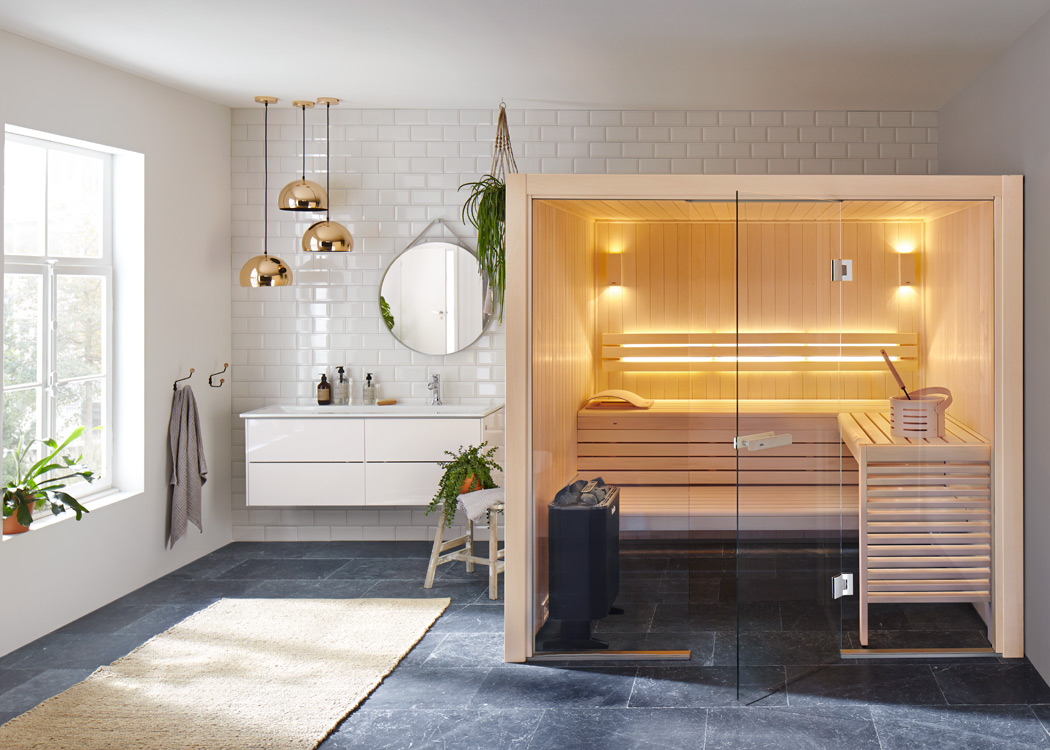
Electrical planning influences heater selection and placement. Power supply and circuit capacity need confirmation before specifications are locked in.
When these checks happen late, the heater choice or layout often needs revisiting. That can delay installation and limit options. Aligning electrical planning early keeps decisions clear and avoids unnecessary changes once the build is underway.
For those comparing technologies, our infrared sauna overview explains how power requirements differ and what that means for room planning.
It’s easy to choose a sauna based on appearance or features. Issues arise when the room itself can’t support how the sauna operates.
A room-first review clarifies:
Working in this order supports a smoother sauna installation and reduces the need for changes once construction has started.
A sauna is built for long-term use. Installation choices determine how easily components can be accessed years later.
Access planning may include:
Our expert installation guide and buyer’s guide to sauna features outline what to consider before specifications are finalised.
The first few sessions reveal how well planning translates into use. Heat cycling, moisture exposure, and regular operation show whether the installation supports real conditions.
Projects planned with longevity in mind tend to settle more quickly and require fewer adjustments. Foresight allows the sauna to become part of a routine rather than an ongoing project.
Most sauna installation mistakes stem from early assumptions rather than poor decisions. Renovations already involve enough moving parts without uncertainty around how a heat-driven space should function.
Clear guidance early on simplifies those choices. If you’re considering a sauna or steam room and want to talk through feasibility, layout, or product selection, you can contact our team to discuss your space with confidence.